Hazardous waste facilities operate in highly controlled environments where safety, security, and containment are critical. These facilities handle materials that pose significant risks to people, infrastructure, and the environment, requiring a structured approach to both physical protection and operational control.
Modern physical security design for hazardous waste environments must go beyond preventing unauthorised access. It must support containment, control movement, protect critical processes, and maintain compliance with strict regulatory standards.
Modular high‑security walling and security enclosure systems provide a reliable and adaptable framework, enabling organisations to create controlled environments that support both security and safe operation.
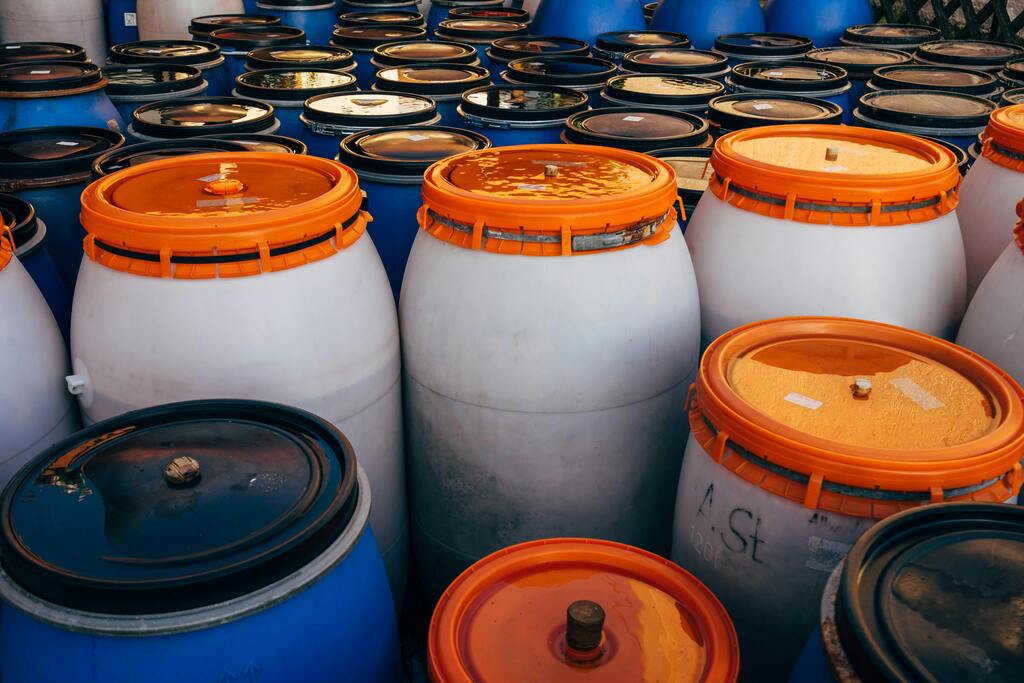
Facilities managing hazardous materials face a unique combination of risks that must be addressed through robust physical security measures.
Key challenges include:
These challenges require an integrated physical security design strategy, where containment and protection work together.
Hazardous waste environments rely heavily on clearly defined and controlled zones. These zones ensure that risk is managed effectively and that access is restricted to authorised personnel.
Typical zoning includes:
Modular walling systems provide a precise and reliable method of creating these zones, supporting both physical separation and controlled access.
This approach ensures that hazardous materials are contained within defined areas while reducing the risk of accidental or unauthorised exposure.
Modular walling forms the structural backbone of controlled environments within hazardous waste facilities. Its design supports both physical protection and containment requirements.
Key benefits include:
This makes modular walling particularly well suited to facilities where both security and environmental control are essential.
Within hazardous waste environments, security enclosures play a critical role in isolating materials and processes that require additional protection.
These enclosures can be used to:
Modular security enclosures allow these controlled environments to be introduced within existing infrastructure, supporting both containment and access control without major disruption.
Physical security in hazardous waste facilities must work alongside containment and environmental management systems.
This includes:
Modular systems can be designed to integrate with these requirements, ensuring that security measures enhance rather than disrupt operational performance.
Controlling movement within hazardous waste facilities is essential for both safety and security. Layout design must clearly define how personnel and materials move between zones.
By integrating modular walling and enclosure systems, organisations can:
This structured approach reduces risk and ensures that access is managed effectively at all times.
Regulatory requirements and operational processes in hazardous waste facilities often evolve. Security systems must be capable of adapting without requiring full reconstruction.
Modular systems support this by allowing:
This ensures that facilities can remain compliant and secure as requirements change.
Disruption within hazardous environments can have significant consequences. Security upgrades must therefore be implemented carefully to maintain both safety and operational performance.
Modular systems enable:
This allows facilities to strengthen security without compromising safety or continuity.
Hazardous waste facilities require a disciplined and integrated approach to both protection and containment.
Modular high‑security walling and security enclosure systems provide the framework for achieving this, supporting controlled zoning, containment, and reliable physical protection.
By combining structured layout design, controlled access, and integrated systems, organisations can create secure environments that protect people, infrastructure, and the wider environment.