Nuclear facilities operate within some of the most tightly regulated and high‑risk environments in the world. The protection of materials, infrastructure, and processes requires a level of security that combines structural resilience, strict access control, and operational reliability.
Modern physical security design in nuclear environments is built around layered protection, controlled zoning, and system integration. Every aspect of the environment must contribute to maintaining safety, security, and compliance.
Modular high‑security walling and security enclosure systems play a key role in delivering this approach, providing engineered, adaptable solutions that align with the complex demands of nuclear infrastructure.
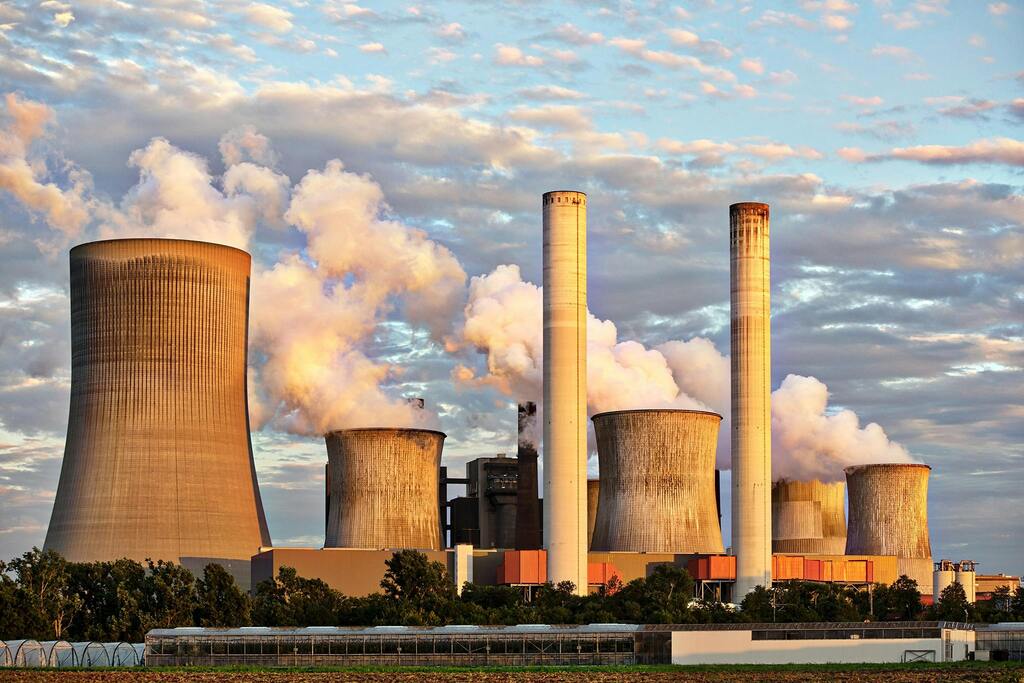
Nuclear facilities must address a combination of security, safety, and regulatory requirements that go beyond conventional environments.
Key challenges include:
These requirements demand a structured and integrated physical security design strategy, where every element contributes to overall resilience.
Security in nuclear environments is based on a layered approach that creates progressive levels of protection.
Typical structure includes:
Modular walling systems are used to define these boundaries, ensuring that access becomes increasingly restricted as sensitivity increases. This supports a clear and controlled security framework across the facility.
Modular walling provides the structural backbone of internal security within nuclear facilities. Its engineered design allows for consistent performance across all sections while supporting flexibility in layout and application.
Key benefits include:
This combination of strength and flexibility makes modular walling particularly suited to environments where both performance and continuity are essential.
Within nuclear facilities, security enclosures are widely used to create dedicated, high‑security zones around sensitive materials, equipment, or operations.
These enclosures support:
Modular security enclosures can be introduced within existing structures, allowing secure environments to be created without major structural disruption.
Security in nuclear environments must operate alongside strict safety and environmental controls.
This includes:
Modular walling and enclosure systems can be designed to support these requirements, ensuring that physical security integrates seamlessly with broader facility performance.
Controlling movement within a nuclear facility is critical to maintaining both security and safety. Layout design must clearly define access routes and restrict movement between zones.
By combining modular walling, enclosures, and controlled access points, facilities can:
This structured approach ensures that access is controlled at every stage.
Nuclear facilities are long‑term assets, often requiring updates, upgrades, and reconfiguration over time.
Modular systems support this by allowing:
This ensures that physical security can evolve alongside operational and regulatory requirements without requiring full redevelopment.
Disruption within nuclear facilities must be carefully managed. Modular security systems allow installation and upgrades to be carried out with minimal impact on operations.
This enables:
Maintaining continuity is essential in environments where interruption is not an option.
Security within nuclear environments requires a disciplined and integrated approach. Modular high‑security walling and security enclosure systems provide the framework for delivering this, supporting layered protection, controlled access, and long‑term adaptability.
By combining robust physical barriers with precise layout design and system integration, nuclear facilities can maintain high levels of security, safety, and operational performance.